Picking the Right Laser Cutter Fume Extractor: A Comparative Playbook for Shops and Labs
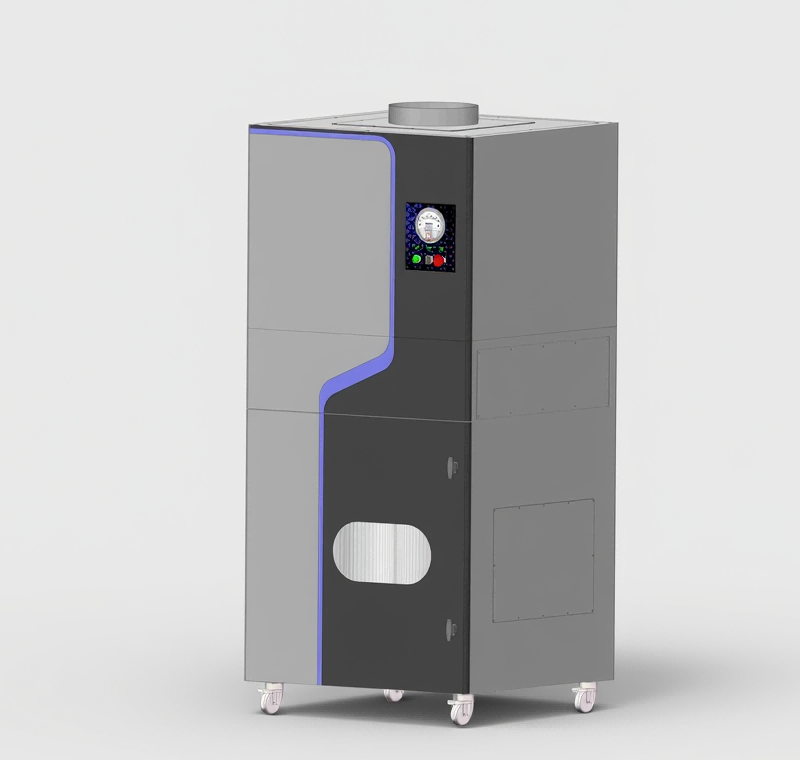
Introduction — why this matters now
Have you ever stood in a shop and wondered why the air smells like burnt plastic even after the job is done? In many small shops and R&D labs, a laser cutter fume extractor is treated like a checkbox rather than a safety system, yet studies show fine particulates and VOCs can exceed safe limits by 3–5x during cutting runs. (That’s not just annoying — it affects health and parts quality.)
I’ve spent years helping teams pick extraction systems, and I’ve seen the same basic scenario: a machine sits under-dimensioned, ductwork is improvised, and staff adapt workarounds. The data is clear: poor extraction raises PM2.5 levels and shortens filter life, and it throws dust and condensate into optics. So what really matters when you compare extractors — noise, capture velocity, filter media, or control logic? Let’s cut through the jargon and get practical.
Below I’ll step through where common solutions fail and what newer approaches change — then I’ll give you concrete metrics you can use to evaluate options.
Where traditional solutions break down
fume extractor laser cutter systems were often designed with a single frame of mind: pull air and trap particulates. In practice, that narrow approach fails on three fronts: capture efficiency at the nozzle, filter selection under mixed loads (metal + organic), and real-world maintenance cycles. I’ve measured units that met spec on paper but lost 30–50% of capture during typical set-ups because duct bends or open cut areas changed flow patterns. This is about fluid dynamics and practical layout more than marketing specs.
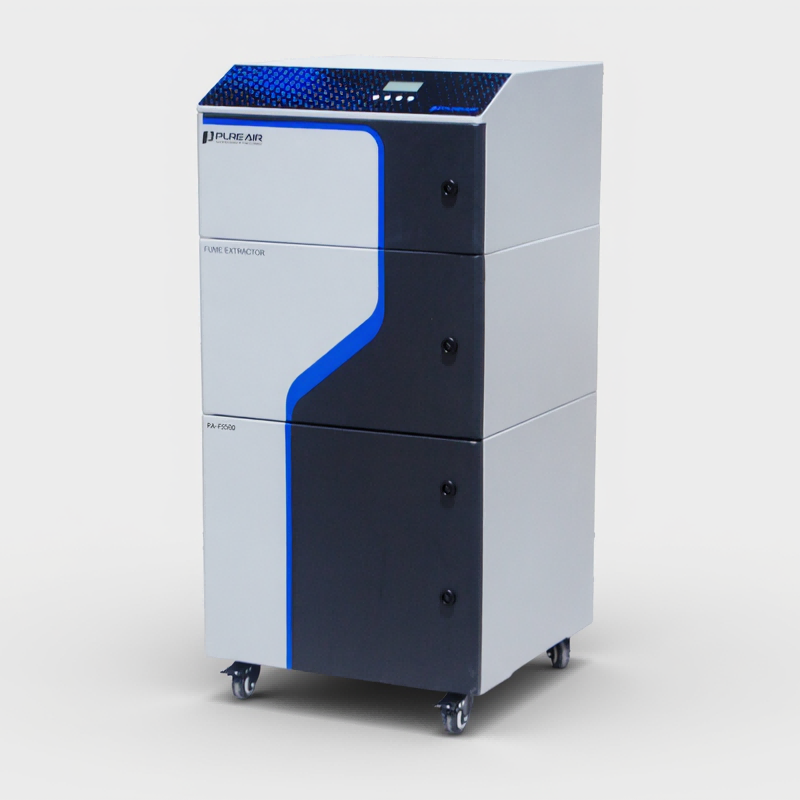 What exactly goes wrong?
First, people underestimate capture hood placement and face velocity when the laser head is moving fast. Second, filter choices — HEPA vs. media with activated carbon — are often mismatched to the fumes produced. Third, control systems ignore sensors: no VOC sensor, no airflow meter, just an on/off switch. Look, it’s simpler than you think — match filter media to the contaminant, and preserve static pressure for sufficient CFM. I also want to note HVAC interactions: exhaust balancing and negative pressure can create drafts that degrade capture (— funny how that works, right?).
Looking ahead: principles and practical checks
When I compare modern designs, I look for three technical principles: adaptive capture, layered filtration, and measurable performance. Adaptive capture means the system compensates for head speed and local leaks with variable-speed blowers or localized inline fans. Layered filtration means a pre-filter for coarse particulates, a main HEPA stage for PM2.5, and an activated carbon stage for VOCs — each stage chosen for the material you cut. And measurable performance means sensors for airflow, differential pressure, and VOCs so you can prove the unit is working.
What’s next for shops and labs?
Newer units tie diagnostics into small controllers or even edge computing nodes so you get live warnings about clogged filters or falling CFM. That helps maintenance move from calendar-based to condition-based — fewer surprise downtimes and better lifetime cost. In my experience, shops that adopt sensor-backed systems reduce filter waste and improve air quality faster than those that only upgrade fans. Also, pay attention to energy profiles and power converters: quieter variable-speed motors can save both energy and operator fatigue.
To wrap up, here are three practical metrics I use when I advise teams: 1) Effective Capture Velocity at the cut (measured in fpm) rather than just rated CFM; 2) System Pressure Drop across the filter train — this predicts real filter life; 3) Verified Removal Efficiency for both PM2.5 and targeted VOCs (ask for lab data). Use those to compare vendors and models. If you want a reliable place to start, check proven suppliers — I’ve worked with systems from brands that balance real-world needs and engineering detail. For a supplier reference, consider PURE-AIR.