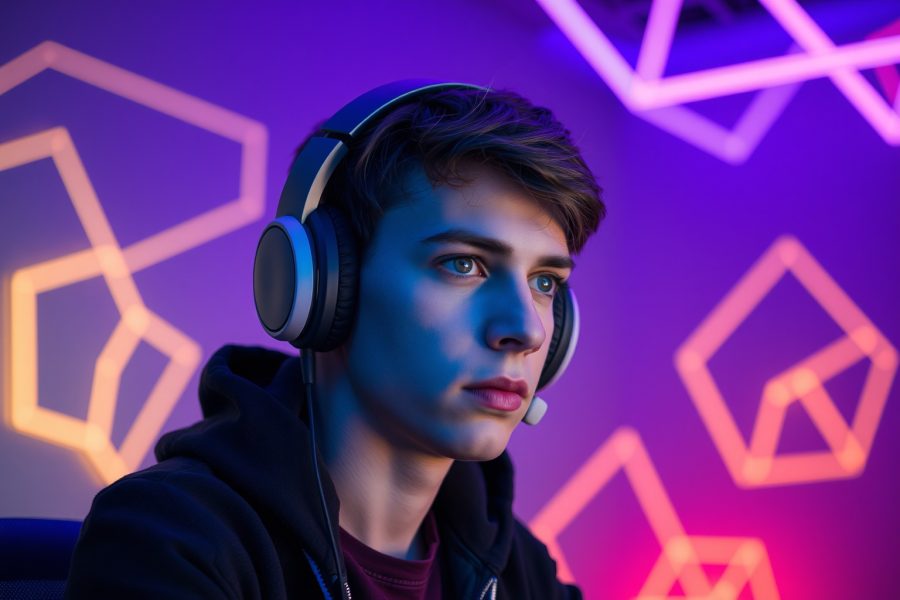

The Evolution of Gaming Communities and Shared Discovery
Gaming has transformed from solitary sessions into expansive communities where players share strategies, fan art, and streaming highlights. This shift has amplified social interactions around video games, driving collaborative guides, open forums, and voice-enabled matchmaking that smooths over language barriers. In this environment, newcomers quickly find mentors, while veterans discover fresh opponents who push their skill caps higher than ever before, expanding the ecosystem beyond traditional campaigns. jemputhoki terbaru The result is a living, breathing network that thrives on mutual learning and frequent, accessible feedback from diverse players and creators alike.
People gravitate toward communities that reward helpful contributions and clear communication. As players share builds, clip compilations, and in-depth analyses of game systems, the social proof generated by this content accelerates discovery of new titles and genres. This social dynamic also changes how video games are marketed, with early access streams and creator-centric previews shaping demand and expectation prior to launch. The net effect is a broader, more dynamic audience for both new releases and established franchises.
The Tech Tides Driving Modern Gameplay
Advances in hardware, streaming, and cloud gaming have lowered barriers to entry while raising the potential for technical excellence. High-refresh-rate monitors and responsive controllers translate into crisper visuals and smoother input, which in turn influence how players perceive enemy patterns and map layouts. Developers respond with optimized engines and scalable assets, enabling complex worlds that still run on mid-range PCs and consoles. This cycle fuels experimentation and higher-fidelity experiences across various genres of gaming and esports alike.
Cloud services, AI-assisted tooling, and modular engines empower studios to iterate faster, test new mechanics, and deliver balanced patches that keep multiplayer ecosystems healthy. Esports teams leverage analytics to refine tactics, while speedrunners exploit glitches with precision, turning once-hidden optimizations into widely adopted tactics. The result is a software culture where performance data guides design choices, and where accessibility options broaden the audience without sacrificing depth for veteran players.
Esports as a Catalyst for Community and Career Paths
Esports has emerged as a legitimate career path for players, commentators, and organizers, with regional circuits feeding into global events that showcase high-skill play and production value. Teams invest in coaching, data analytics, and mental coaching to sustain competitive momentum, while tournament organizers strive to deliver fair play with robust anti-cheat systems and transparent rule sets. For fans, live events become communal rituals that blend competition, cosplay, and content creation into shared experiences that transcend traditional gamer stereotypes.
Beyond the pros, grassroots tournaments and school leagues cultivate talent pipelines that mainstream publishers often overlook. These ecosystems reward practice discipline, teamwork, and strategic adaptability, teaching participants how to analyze opponents, adjust pacing, and manage resources under pressure. The long arc of esports is not merely about winning; it is about building reputations, fostering mentorship, and proving the viability of gaming as a sustained livelihood for diverse communities.
Game Design as Cultural Reflection
Video games mirror societal concerns, aspirations, and humor, acting as interactive canvases for storytelling, ethics, and identity exploration. Designers experiment with nontraditional protagonists, modular narratives, and mechanics that demand collaboration rather than solitary triumph. Players respond with calls for more inclusive representation, nuanced worldbuilding, and robust accessibility options. The ongoing dialogue between developers and players reshapes standards for storytelling, pacing, and world-building across genres and platforms.
As titles blend genres—role-playing elements in shooters, strategy layers in platformers—the expectation for depth grows. Players crave meaningful choices, consequential consequences, and replayable systems that reward experimentation. This appetite motivates studios to invest in re-playability metrics, collectible ecosystems, and dynamic difficulty balancing, ensuring that both seasoned veterans and curious newcomers find value in each new release and its lasting impact on the broader gaming landscape.
Game Reviews as a Reality Check for Quality and Innovation
Comprehensive game reviews serve as a compass for players navigating crowded storefronts, detailing core mechanics, storytelling quality, pacing, and technical performance across platforms. Thoughtful critiques illuminate what a title does well, where it falters, and what unique ideas it brings to the table. Reviewers also contextualize updates, post-launch support, and trend alignment within the evolving ecosystem, helping readers decide when to invest time and money into a game with confidence.
Beyond individual opinions, rigorous reviews synthesize player feedback, community sentiment, and developer intentions to present a holistic assessment. This process helps readers differentiate genuinely innovative work from mere polish or marketing hype. For creators, constructive critiques inform future projects, guiding refinements in balance, accessibility, and narrative clarity so new experiences feel fresh without alienating existing fans of a franchise.
Indie Innovation Versus AAA Scale: A Balanced Perspective
Indie developers often prioritize sharp ideas, tight mechanics, and creative risk-taking that yield memorable moments without the overhead of big-budget productions. They frequently push genres forward through experimental controls, novel art styles, and narrative structures that challenge conventions. For players, that means opportunities to discover unique experiences that deliver high replay value and emotional resonance without requiring a multi-year, multi-million dollar commitment.
AAA titles, by contrast, harness large teams, polished production values, and expansive worlds to deliver cinematic experiences and advanced multiplayer ecosystems. The ambition is to achieve broad appeal while maintaining technical excellence at scale. The tension between indie risks and AAA polish fuels a healthy market where diverse budgets coexist, allowing players to choose experiences that align with their values, schedules, and preferred genres.
Growing Your Personal Brand in the Gaming Space
For content creators and community leaders, building a personal brand means delivering consistent value: insightful commentary, reliable streaming schedules, and transparent communication about process and goals. Long-form guides, short clips, and live reactions can coexist, helping audiences find a cadence that suits their habits. Networking with developers, attending events, and collaborating with other creators further expands reach while fostering a supportive ecosystem around your work.
Monetization and sustainability hinge on authenticity and reliability. Transparent revenue models, clear content policies, and responsive audience engagement build trust and encourage longer-term audience loyalty. As a result, creators who balance passion with professional discipline often translate their enthusiasm into opportunities for sponsorships, partnerships, and ongoing growth across gaming, esports, and video game culture.
Practical Tips for Players Seeking Growth and Enjoyment
First, curate a personal practice routine that blends warm-up routines, skill drills, and reflective reviews of your own gameplay. A structured approach helps you track progress, identify recurring mistakes, and build muscle memory for critical moments. Second, diversify your play by exploring multiple genres and difficulty settings to broaden strategic thinking, reaction time, and adaptability in unpredictable matchups. This cross-training approach strengthens fundamentals that transfer across titles.
Third, engage with communities that emphasize constructive feedback and supportive collaboration. Watch streams with critical listening and take notes on decision-making, positioning, and resource management. Finally, maintain balance by scheduling breaks to prevent burnout and keep enthusiasm sustainable over the long term, ensuring your passion for gaming remains healthy and enjoyable.
Texture and Extra Insight
- Real-world esports teams increasingly prioritize analytics, which informs draft picks, map control, and player conditioning.
- Indie games often experiment with non-linear storytelling and tactile art styles that redefine player immersion.
- Accessible design is not merely a feature; it’s a requirement for expanding the audience across diverse abilities.