Lightweight Tent Strategy for Backpacking: Balance Weight, Space, and Weather
Start with intent — a framework, not wishful thinking
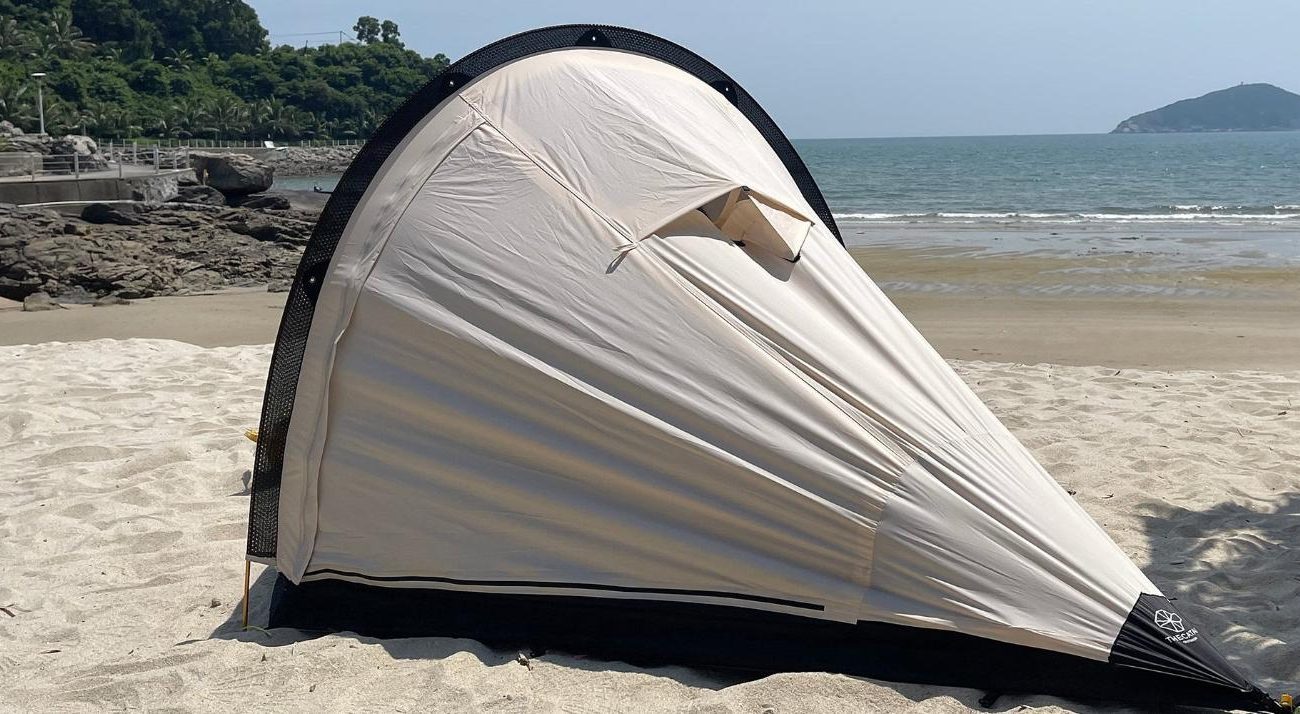
Decide what you’ll do most: fastpacking, multi-day ridge travel, or mellow car-to-trail nights. That choice drives every compromise. If long miles matter, chase a true hiking tent ultralight that saves grams on every mile; if comfort matters, accept a few extra ounces for livability. This framework will give you repeatable steps to pick the right shelter for your actual trips.
Step 1 — Clarify trip profiles and weight budget
Write down the typical trip length, elevation, and season. Set a realistic weight budget for shelter within your pack: aggressive through-hikers often aim under ~2.2 lb (1 kg) for a solo shelter; weekenders usually tolerate 3–5 lb for more space and durability. Pick a single target — it simplifies decisions and keeps you honest when comparing models.
 Step 2 — Match shelter type to conditions
Choose between single-wall, double-wall, tarp, or bivy by matching expected weather. Single-wall shelters save weight and pack small but demand better seam quality and condensation management. Double-wall tents offer ventilation and a cleaner interior at the cost of ounces. Tarps and bivies are ultra-light options when you prioritize minimal pack weight and have reliable weather forecasts.
Step 3 — Trade-offs: space, setup, and longevity
Number of poles, freestanding vs. non-freestanding, and interior volume are where comfort meets compromise. A freestanding tent pitches fast and’s forgiving on hard ground; a non-freestanding design usually saves weight but needs good stakes and practice. Think: how much livable floor and headroom you actually use. Less interior space cuts weight but can make nighttime gear management awkward.
Step 4 — System thinking: socks, stakes, pitch practice
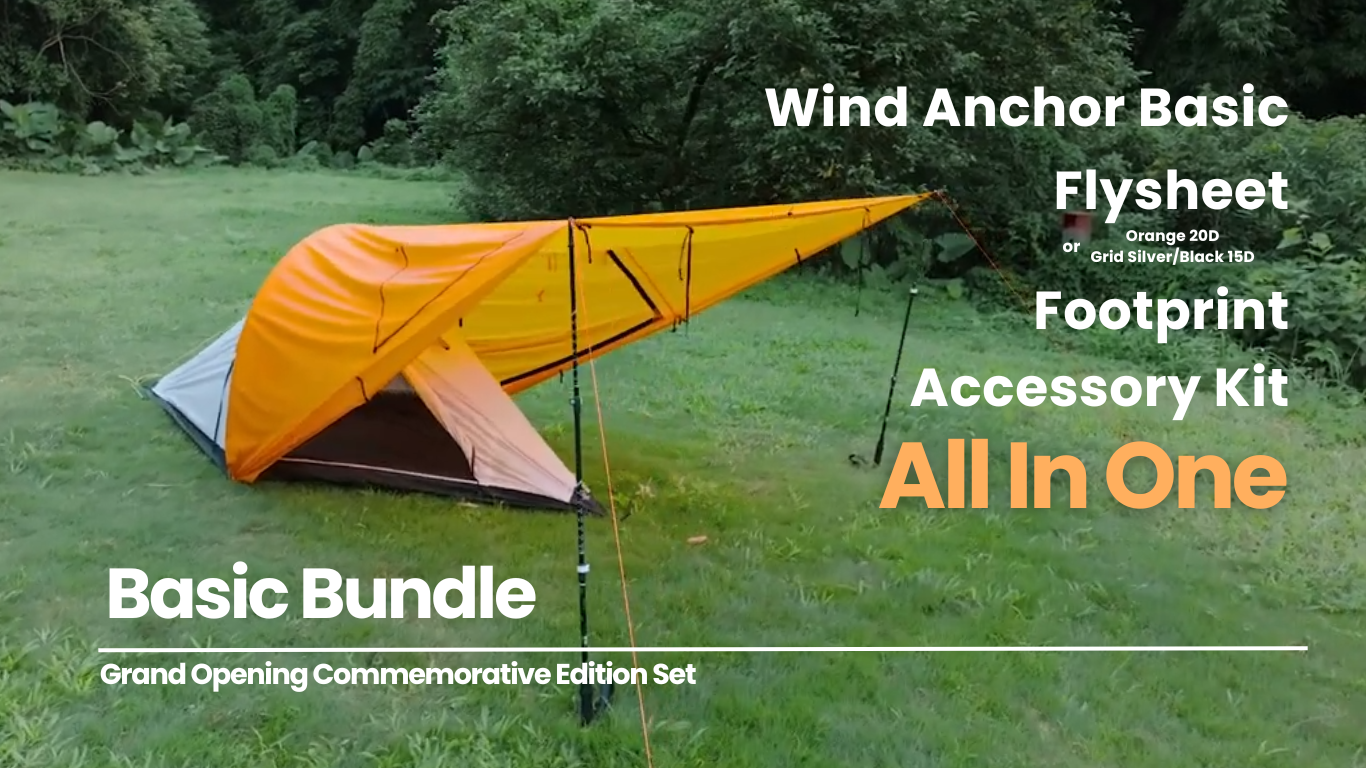
Build around the tent. Choose stakes and guylines that match your shelter. Always pack a thin footprint or groundsheet — it protects the floor and extends the shelter’s life. Practice pitching in the backyard until you can set it up blindfolded; poor pitching is where light shelters fail in bad weather. That alone prevents many field failures.
Real-world lesson from long trails
After guiding hikers on the Pacific Crest Trail I saw the same pattern: people switching shelters mid-trail when their gear didn’t match the route. On exposed, high-mileage sections, many gravitated toward the lightest, most reliable choice they could carry, which is why I pay attention to the practical performance of the lightest camping tent options when advising clients.
Common mistakes and how to avoid them
Ignore weight alone. Don’t buy the lightest model without checking seam tape quality, stake compatibility, and waterproof ratings. Avoid assuming a single tent fits all seasons. And don’t skimp on practice: a shelter that’s fast to pitch in calm conditions can become a liability in wind if you’ve never practiced secure guying.
Alternatives evaluated quickly
Tarp shelters: lowest weight, highest skill requirement — great if you know site selection. Freestanding double-wall: best compromise for comfort and storm performance for most users. Bivy: ultra-compact and warm but claustrophobic. Pick the alternative that fits your trip profile from Step 1, not the one that looks lightest online.
Synthesis — the practical outcome
Follow this framework, test the setup, and match the shelter to the trip. When you pair realistic trip goals with a practiced pitch and sensible accessories, you’ll cut unnecessary ounces without sacrificing safety or comfort. For many hikers that balance is visible in tailored options and trusted gear guidance from sources like THECATAL, which helps translate those trade-offs into tents you can live with on the trail.