Practical Garden Makeover: A Step-by-Step Home Garden Improvement Guide
A practical guide to transforming your garden and interior spaces with smart home improvements and gardening strategies that blend decor with function.
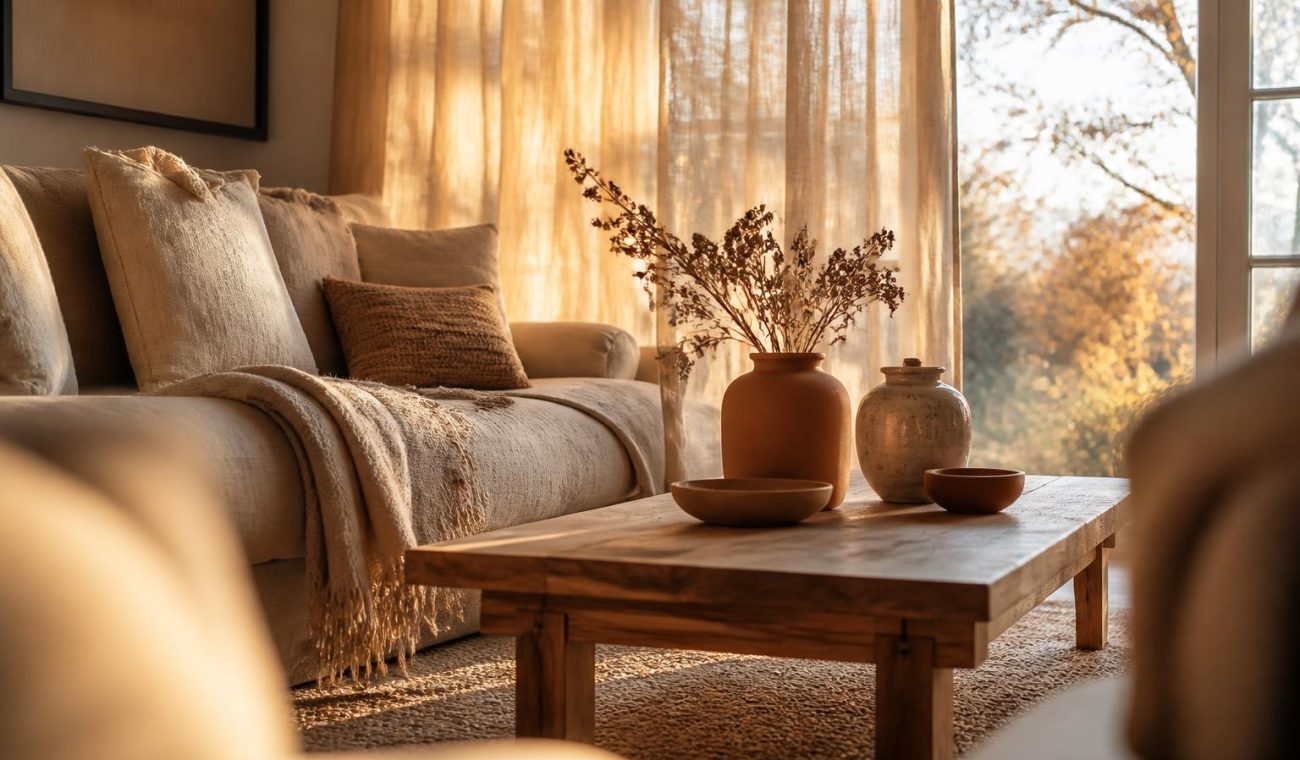
Seasonal planning for a cohesive outdoor space
Starting with a solid plan sets the tone for any improvement project, whether you are refreshing a balcony, yard beds, or a doorstep garden. Define a color palette, select durable plant companions, and map paths that invite exploration. A thoughtful blueprint helps you balance hardscape, softscape, and storage, ensuring a unified look that supports daily use and seasonal changes. agriculture gps guidance system can assist in layout precision and spacing across varied terrains.
As you prepare, consider how this upgrade integrates with interior access points and shade strategies, so movements between indoors and outdoors feel seamless. Identify key zones: a dining nook, a lounging corner, and a pollinator-friendly border. Evaluate sun exposure and wind flow to select plants and materials that endure weather while enhancing curb appeal and home improvement goals.
Soil health and irrigation for long-term resilience
Healthy soil is the foundation of thriving plants, and investing in soil structure yields dividends in crop yield, color, and disease resistance. Begin with soil testing to determine pH, nutrient levels, and organic matter content, then amend with compost, worm castings, and appropriate mineral supplements. A balanced approach reduces fertilizer inputs while supporting robust growth for both edible herbs and ornamental species.
Install a simple, efficient irrigation plan that conserves water and stabilizes moisture around root zones, using drip lines or soaker hoses that target beds without oversaturation. Layer mulch to suppress weeds, retain soil moisture, and regulate soil temperature. This quiet infrastructure supports ongoing home improvement by lowering maintenance needs and keeping interiors clean from soil-dust intrusion.
Plant selections that blend decor and practicality
Choose a mix of flowering perennials, evergreen structure, and edible crops to create year-round interest. Pair lavender and salvia for fragrance and pollinator support with compact rosemary as a culinary accent near kitchen doors. Integrate climbers such as clematis on trellises to soften walls while saving space, and opt for container-friendly herbs that can shift with seasons and decor needs.
Inserts of ornamental grasses add movement and texture, while drought-tolerant options like sedum andnative yarrow provide resilience. Consider a dedicated herb corner near the entrance for convenience and visual appeal, reinforcing the interior connection to gardening and daily living. This approach sustains vitality without sacrificing style or function.
Lighting and ambience to extend use into evenings
Lighting transforms a garden into a welcoming extension of the home, enabling safe navigation after sunset and highlighting focal points such as seating clusters, specimen trees, and water features. Implement a layered approach: warm string lights above dining zones, low-path LEDs for safety, and spotlights to emphasize texture in masonry or garden art. Thoughtful lighting enhances interior views and decor coherence from indoors.
Consider solar or low-voltage options that minimize energy use while delivering reliable performance through changing seasons. Timers and smart controls can adapt lighting scenes to activities, from quiet reading corners to evening entertaining, reinforcing the integration of home improvement with outdoor living and interior ambiance.
Water features and microclimates for interest and habitat
Small water elements, such as a recirculating fountain or a shallow pond, create reflective surfaces that visually expand spaces while attracting beneficial insects. Place features where they catch natural light for sparkle and pair them with surrounding plants that tolerate damp soil. These microhabitats contribute to a healthier garden ecology and provide soothing focal points that enhance decor and mood.
Be mindful of maintenance needs and safety around children or pets, selecting liners, pumps, and filtration that are reliable and easy to service. A well-designed water feature can anchor seating zones, improve air humidity, and provide a sensory counterpoint to the interior’s decor and organized home improvement style.
Storage, seating, and multifunctional zones
Outdoor storage solutions keep tools, pots, and soil amendments neatly organized, reducing clutter and preserving sightlines. Choose benches with hidden compartments or lightweight cabinets that blend with fencing or walls, allowing you to swap seasonal decor without overwhelming space. Multifunctional zones—like a dining area that doubles as a potting bench on weekends—maximize use and keep maintenance streamlined.
Utilize vertical planters and wall-mounted shelves to free ground space for movement and play, ensuring gardening tasks remain approachable. A cohesive seating arrangement that mirrors interior furniture styles enhances the overall decor, creating a continuous conversation between home improvement progress and outdoor living comfort.
Seasonal maintenance rituals and checklists
Set a pragmatic maintenance calendar that breaks tasks into weekly, monthly, and seasonal duties, so gardens stay healthy without feeling overwhelming. Activities include pruning, mulching, weed control, and soil testing at the right intervals, paired with irrigation checks and filter cleaning. Documenting outcomes helps you adjust plant choices and layout for future seasons, preserving a balanced look across both interior and exterior spaces.
Incorporate a small, efficient tool kit and portable seating for easy, on-the-spot care. Regular observation supports timely interventions, preventing overgrowth and disease, and preserving the decor integrity of your home garden while aligning with practical home improvement goals.
Texture and texture-rich accents for a mixed feel
- Incorporate stone, wood, and metal accents to build tactile contrast that complements interior decor
- Use fabric-friendly cushions and weatherproof textiles to maintain comfort with minimal care
- Add a few sculptural elements or vertical gardens to create focal points and interest